


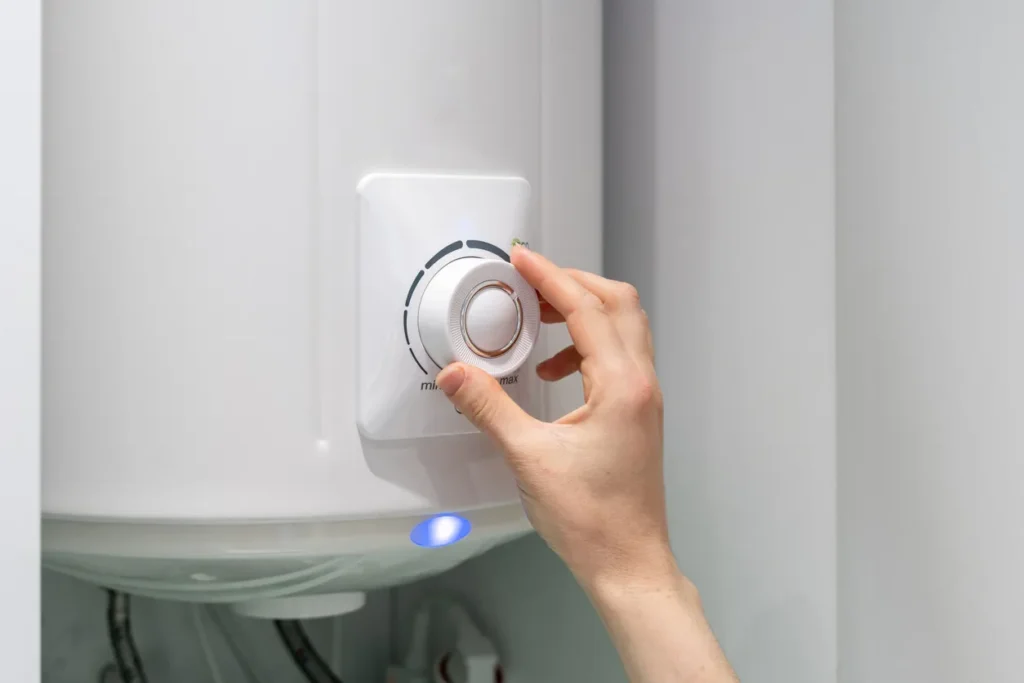
Few household sounds are more alarming than a loud bang echoing through your pipes on a cold Northeast Ohio morning. Homeowners often describe it as clanging, popping, or even a hammer striking metal from inside the walls. A boiler banging or knocking noise is not just annoying; it is a warning sign. Boilers are durable systems, but they operate under pressure and high temperatures. When you hear loud knocking, it usually means the water inside the system is not circulating properly, or that pressure is building beyond normal levels.
The “Kettling” Effect: Mineral Buildup & Overheating
One of the most common causes of boiler kettling in Northeast Ohio is hard water. Homes in Akron and Cleveland tend to have water with high mineral content (“hard” water), which can leave behind limescale deposits. When those minerals collect on the boiler’s heat exchanger, they form a hard layer that insulates the metal surface.
That buildup traps water against the overheated exchanger surface. Instead of heating gradually and circulating smoothly, the trapped water instantly flashes into steam. The rapid formation and collapse of steam bubbles will create loud popping or knocking sounds, which sound similar to a kettle boiling on a stovetop. That is why the issue is often referred to as “kettling.”
Kettling reduces efficiency and forces your boiler to work harder. The overheating also stresses internal components and increases the likelihood of cracks or warped metal. Left unaddressed, kettling can shorten the life of your entire heating system.
Need Services?
We Can Help!
Dangerous Pressure: Expansion Tanks & Valves
Your boiler system relies on precise pressure control. As water heats, it expands. The expansion tank absorbs that increased volume and keeps system pressure within a safe operating range. Without a properly functioning tank, the pressure inside the tank rises quickly.
If the expansion tank becomes waterlogged or loses its air charge, it cannot absorb expansion effectively. Pressure spikes follow. You may notice loud, rhythmic knocking sounds as the system struggles to regulate itself. In more severe cases, the pressure relief valve may begin releasing water to prevent excessive PSI.
A stuck or malfunctioning pressure relief valve compounds the risk. Boilers operate as pressurized vessels, and excessive pressure strains joints, fittings, and internal seals. Persistent boiler pressure problems can lead to leaks or sudden component failure if you ignore them.
Circulator Pump & Air Lock Issues
The circulator pump moves hot water from the boiler through your home’s radiators or baseboard heaters. When that pump weakens or fails, water no longer flows evenly through the system. Pressure differences build in sections of the loop. Air trapped inside the piping can create similar symptoms. Air pockets prevent water from circulating properly and cause uneven heating. When water suddenly pushes past trapped air, it can create sharp knocking sounds, also called a “water hammer” effect.
These vibrations do more than create noise. Over time, pressure surges and repeated hammering stress pipe joints and fittings. That stress can lead to cracked pipes, leaks, or joint failure. Addressing air lock issues or pump failures promptly reduces long-term structural damage to your heating system. Noisy boiler troubleshooting should always include checking the pump performance and confirming that the system is free of trapped air.
The Northeast Ohio Boiler Standard: Safety First
Boilers are common in historic homes throughout Akron, Cleveland, and surrounding communities. Many older properties tend to rely on traditional steam or hot water systems that have operated for decades. These systems last for years, but aging components require careful monitoring.
Northeast Ohio’s seasonal temperature swings also put stress on heating systems. Cold snaps force boilers to run continuously, which magnifies any existing mineral buildup or pressure imbalance. Without routine inspections, small issues can quickly become serious boiler pressure problems.
At Blind & Sons, we understand the unique needs of local homes. Our technicians work on both high-efficiency modern boilers and traditional steam systems found in older neighborhoods. Specialized pressure testing helps to make sure that your system operates safely within its designed limits.
Why Professional Intervention Is Non-Negotiable
Boilers operate under heat and pressure. Attempting to adjust pressure settings, replace valves, or drain components without proper training can create dangerous conditions. Even small miscalculations can destabilize the system. Our team uses precision gauges and diagnostic tools to evaluate pressure levels, test expansion tanks, and inspect heat exchangers. We restore the system to safe operation before damage becomes worse.
DIY adjustments may silence the noise temporarily but rarely address the root cause. Whether the issue involves kettling, a failing expansion tank, or a circulation imbalance, proper diagnosis protects both your property and your safety. If you hear a persistent banging or knocking noise from your boiler, professional Akron boiler repair services can identify the underlying cause before it becomes a larger failure.
A Reliable Solution for Boiler Repairs
A loud boiler is a stressed boiler. Banging, knocking, and clanging sounds signal that pressure is rising, circulation is uneven, or mineral buildup is interfering with safe operation. Blind & Sons has almost 100 years of combined heating and cooling experience in the Brunswick and Barberton area.
If your system makes unusual noises, schedule a boiler safety inspection with Blind & Sons immediately.
FAQ
Is a noisy boiler about to explode?
Modern boilers include safety relief valves to prevent catastrophic explosions. That said, loud knocking can be an indicator of a risk that needs immediate attention.
Can I bleed my radiators to stop the knocking?
Bleeding radiators can help release trapped air and may reduce noise caused by airlocks. However, this will not fix the symptoms of boiler kettling or expansion tank failure. If pressure issues persist, professional service is necessary.
How much pressure should my boiler have?
Most residential hot water boilers operate safely between 12 and 15 PSI when cold. Pressure rises slightly during operation but should remain within manufacturer specifications. If your gauge consistently reads high or fluctuates frequently, schedule boiler troubleshooting with one of our licensed technicians.
You’re an MVP!
Maintenance Value Plan Program
At Blind & Sons, MVP stands for Maintenance Value Plan. Join now for discounts, loyalty reward dollars, special service offers and peace of mind. Learn more about the benefits of signing up!
- Discounts
- Loyalty reward dollars
- Special service offers
- Peace of mind